“A man cannot discover new oceans unless he has the courage to lose sight of the shore,” - Andre Gide.
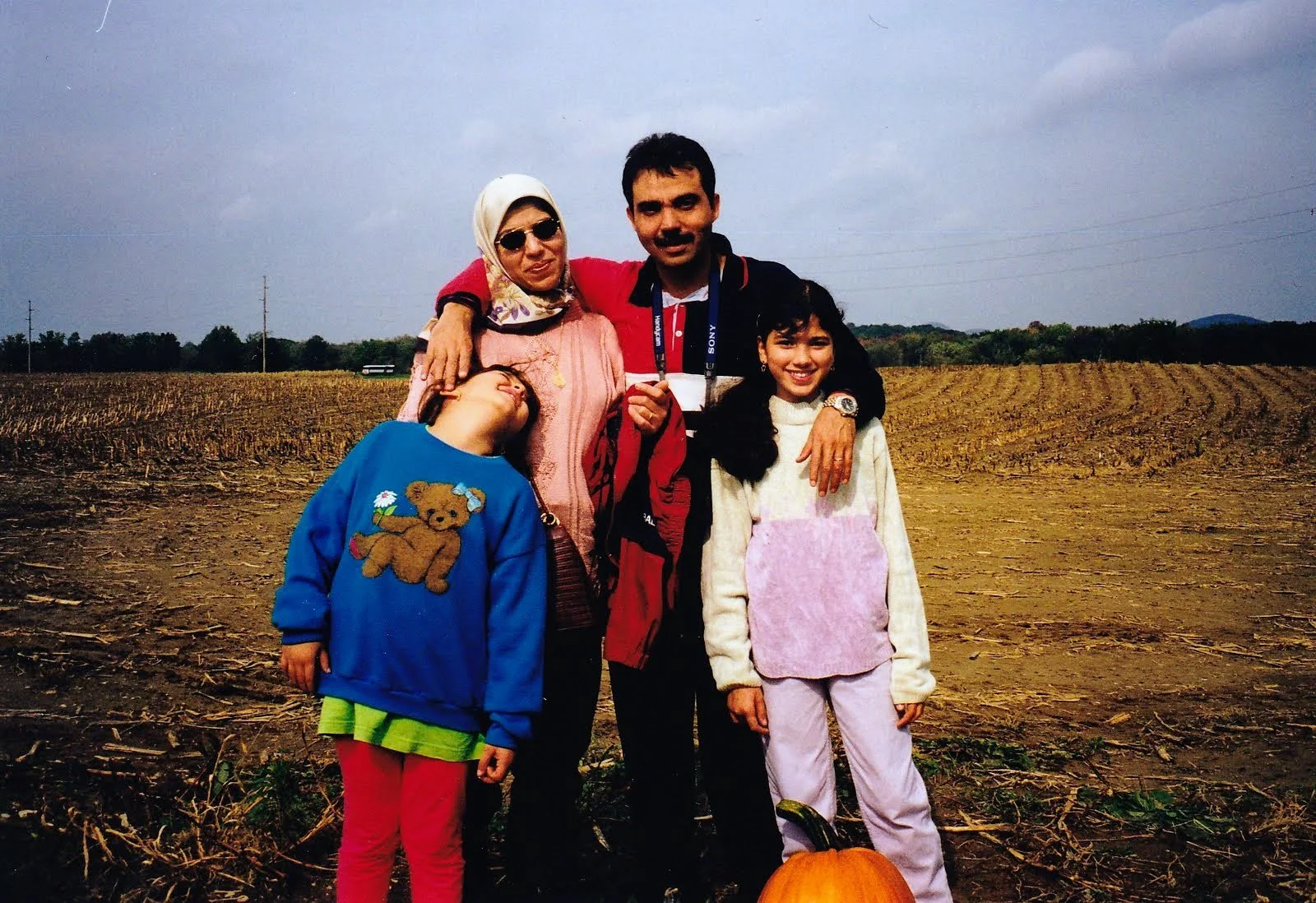
Our family on a trip - 1997
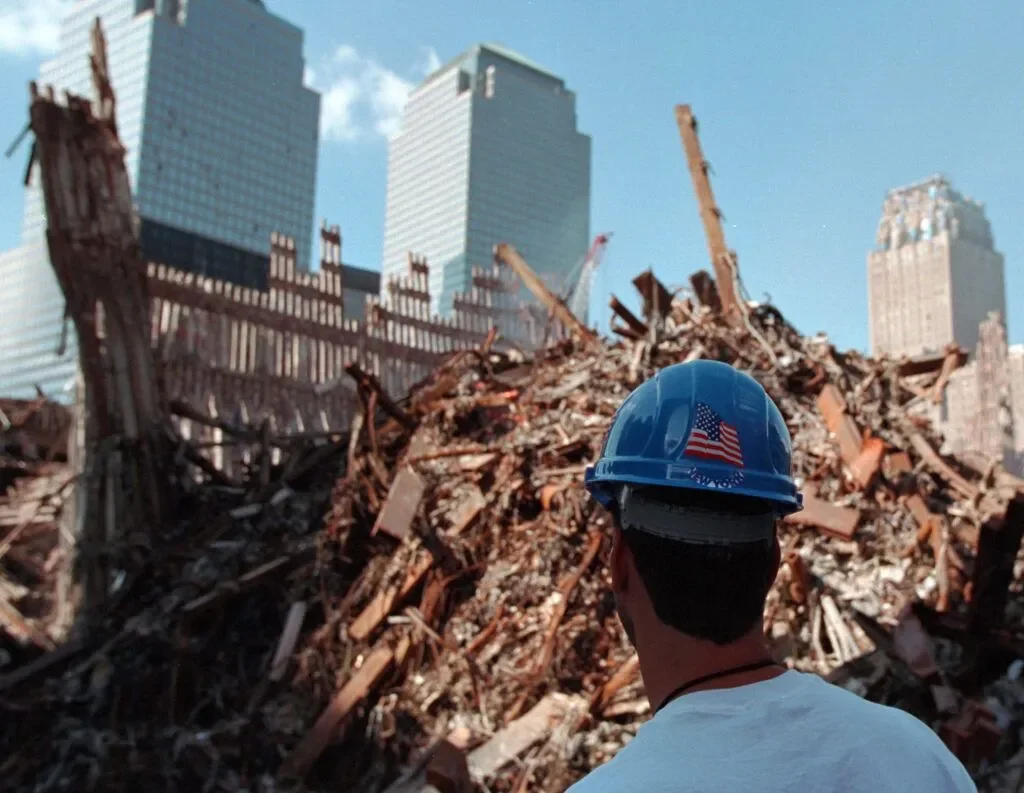
9/11 Terrorist Attack - 2001
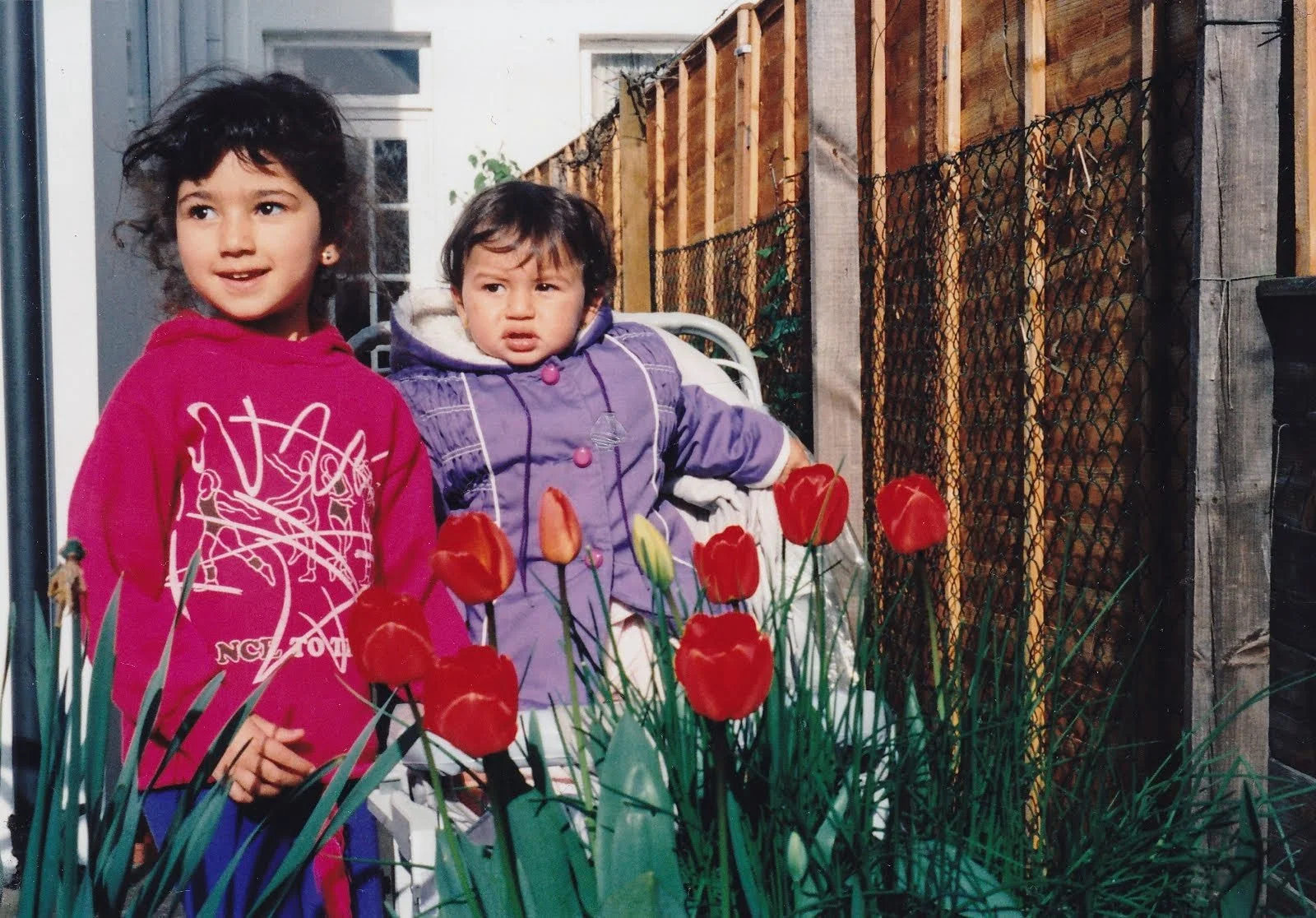
Our two daughters - 1993

Kansas City Bombing - 1994
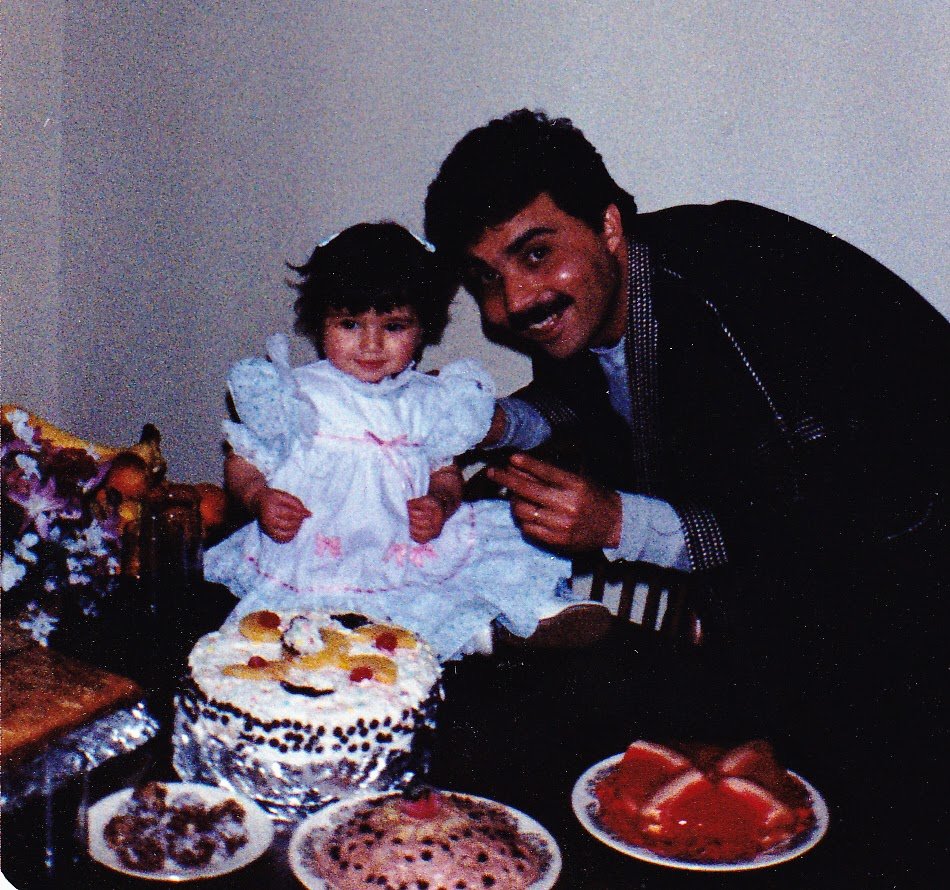
Our first daughter - 1988
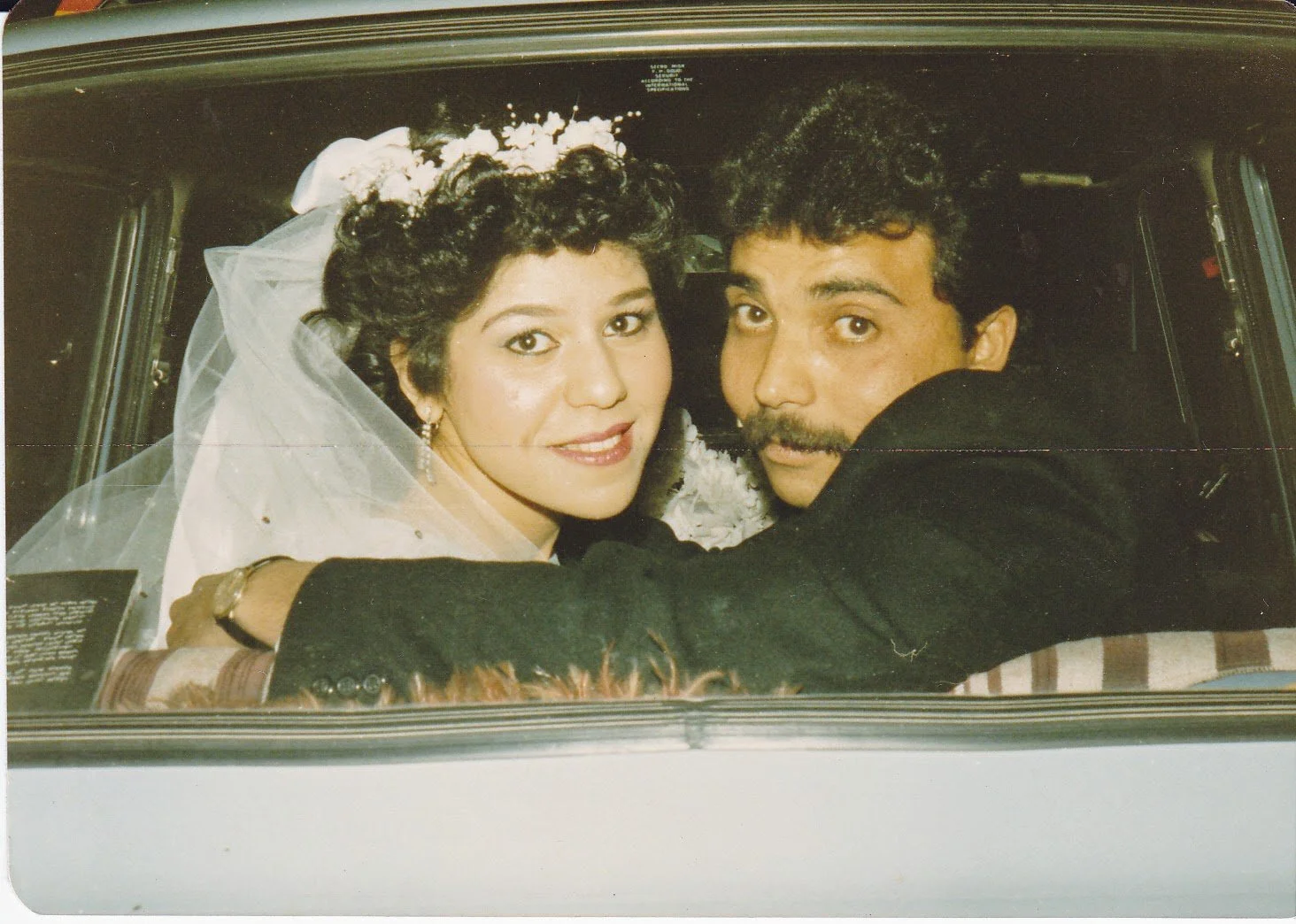
Leaving our wedding reception - April 1987
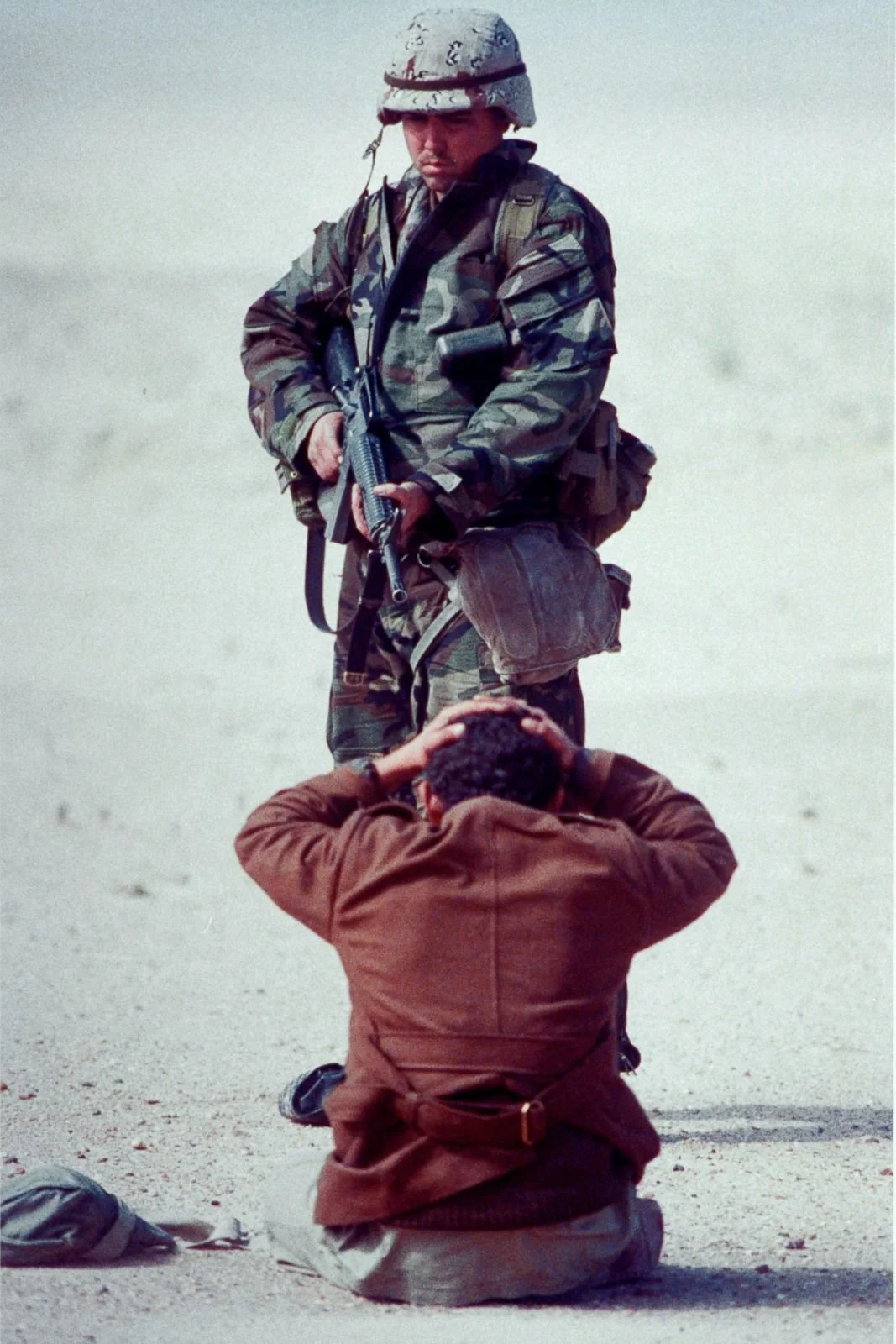
First Gulf War - 1990
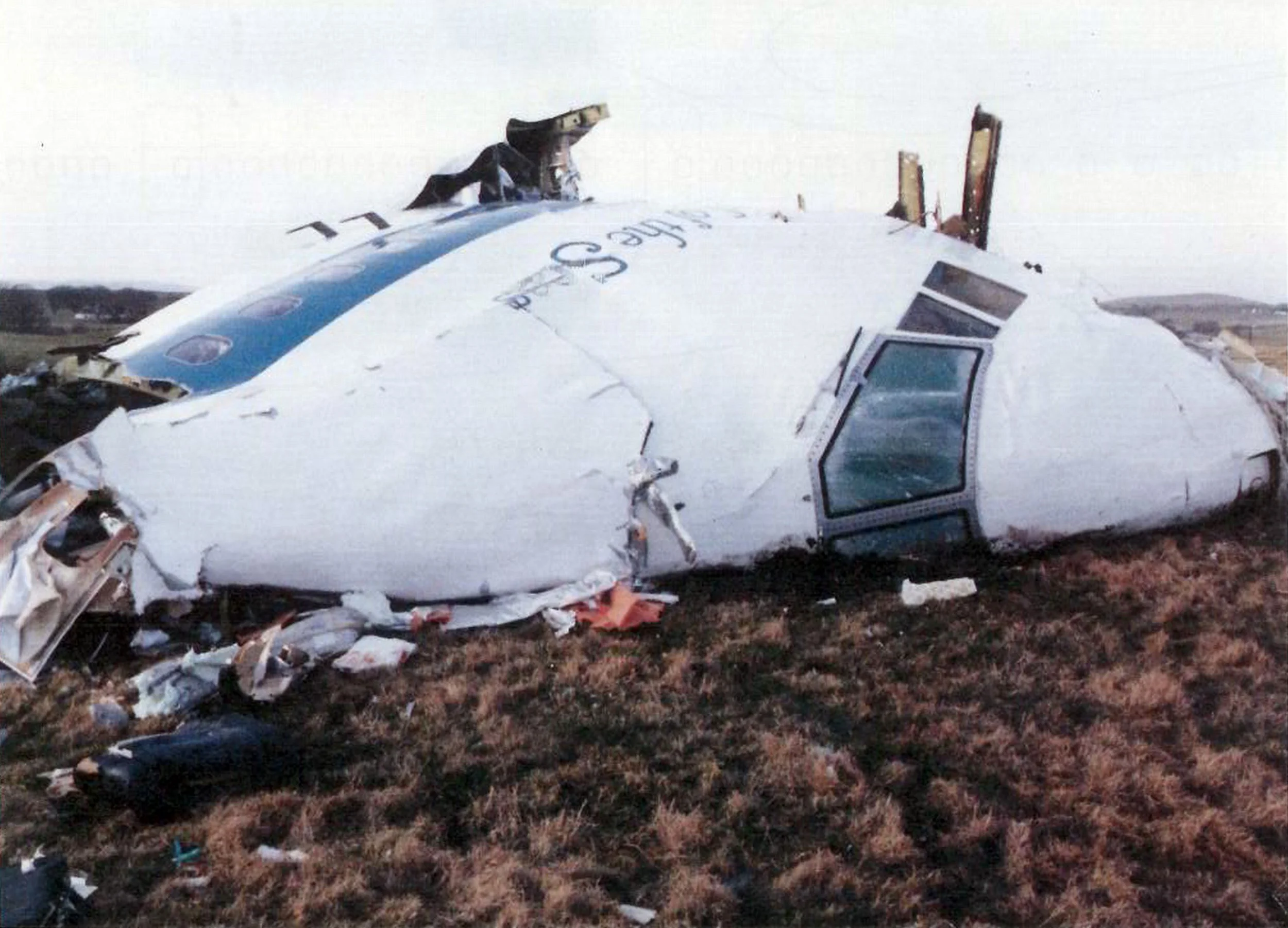
Pan Am 103 Bombing - 1988
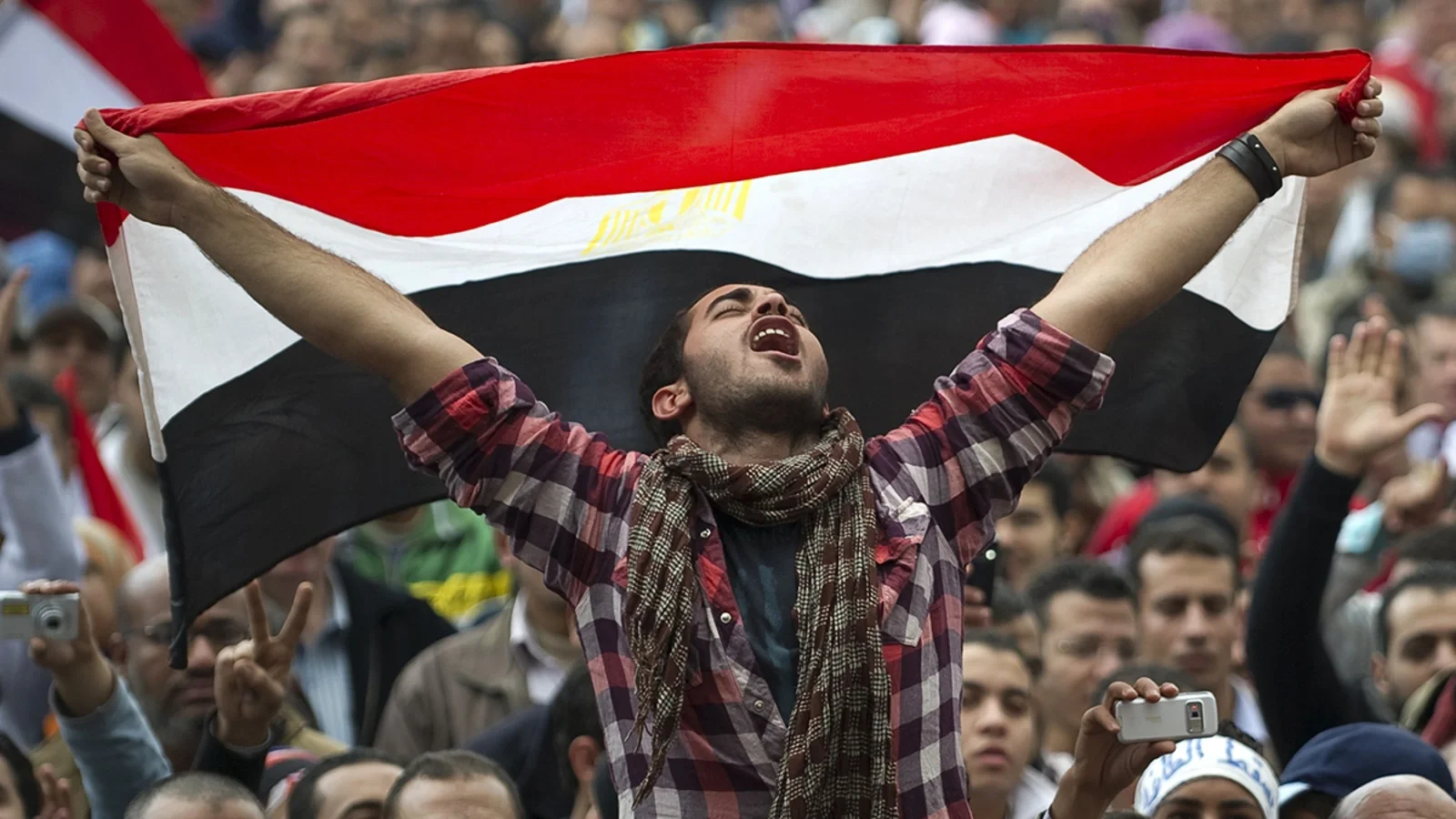
The Arab Spring - 2011
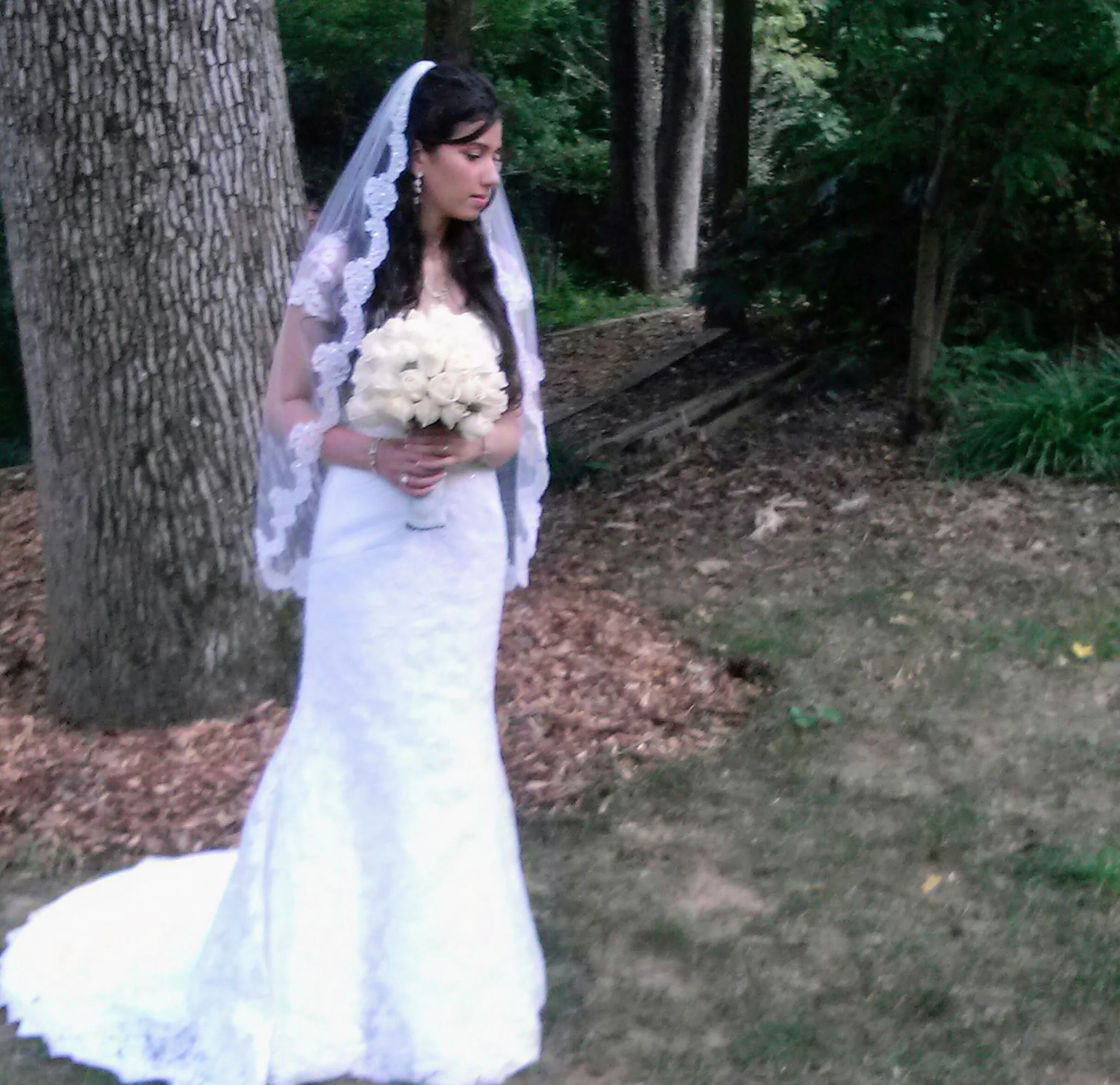
Our daughter’s wedding day - 2012
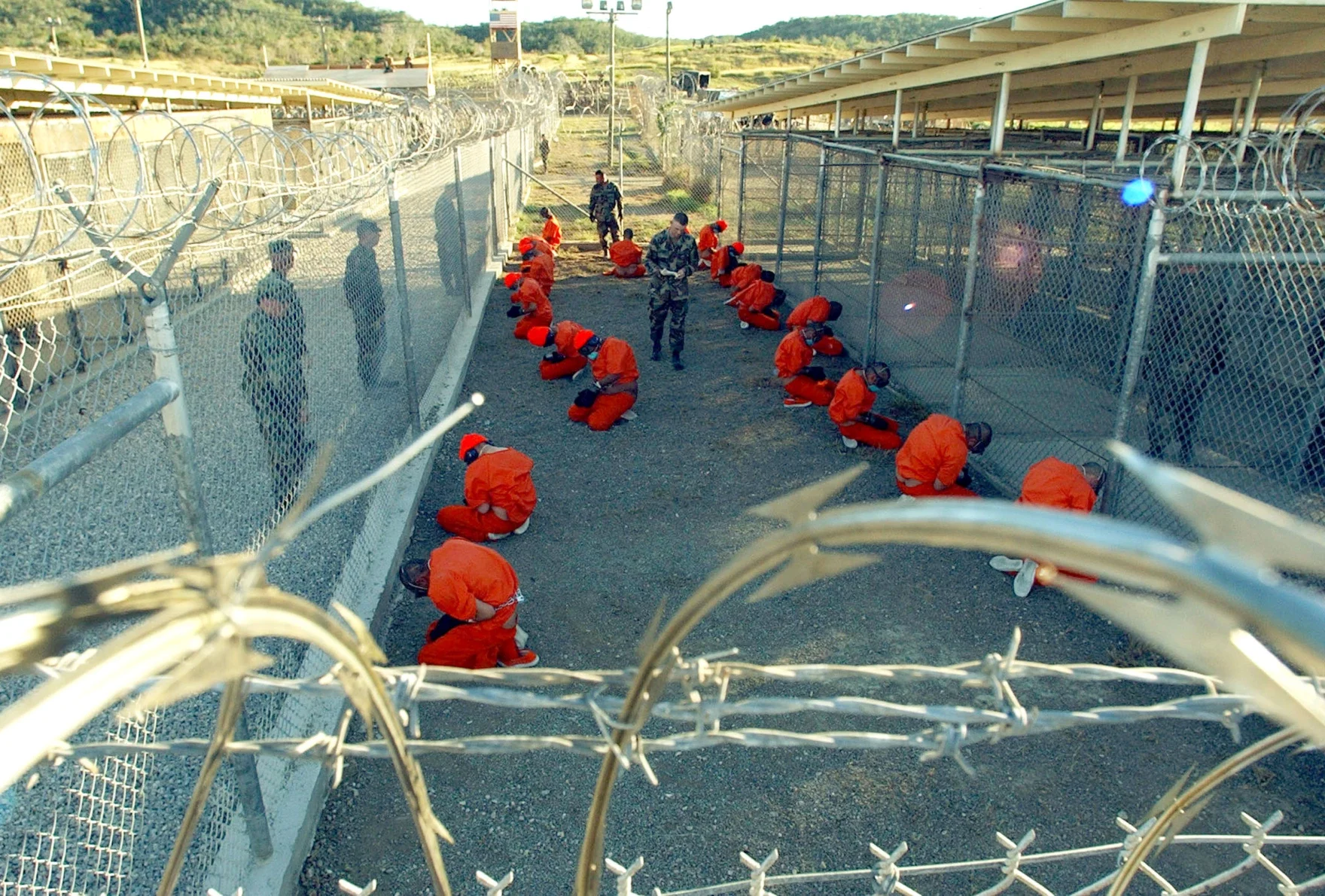
Guantanamo Prison - 2002
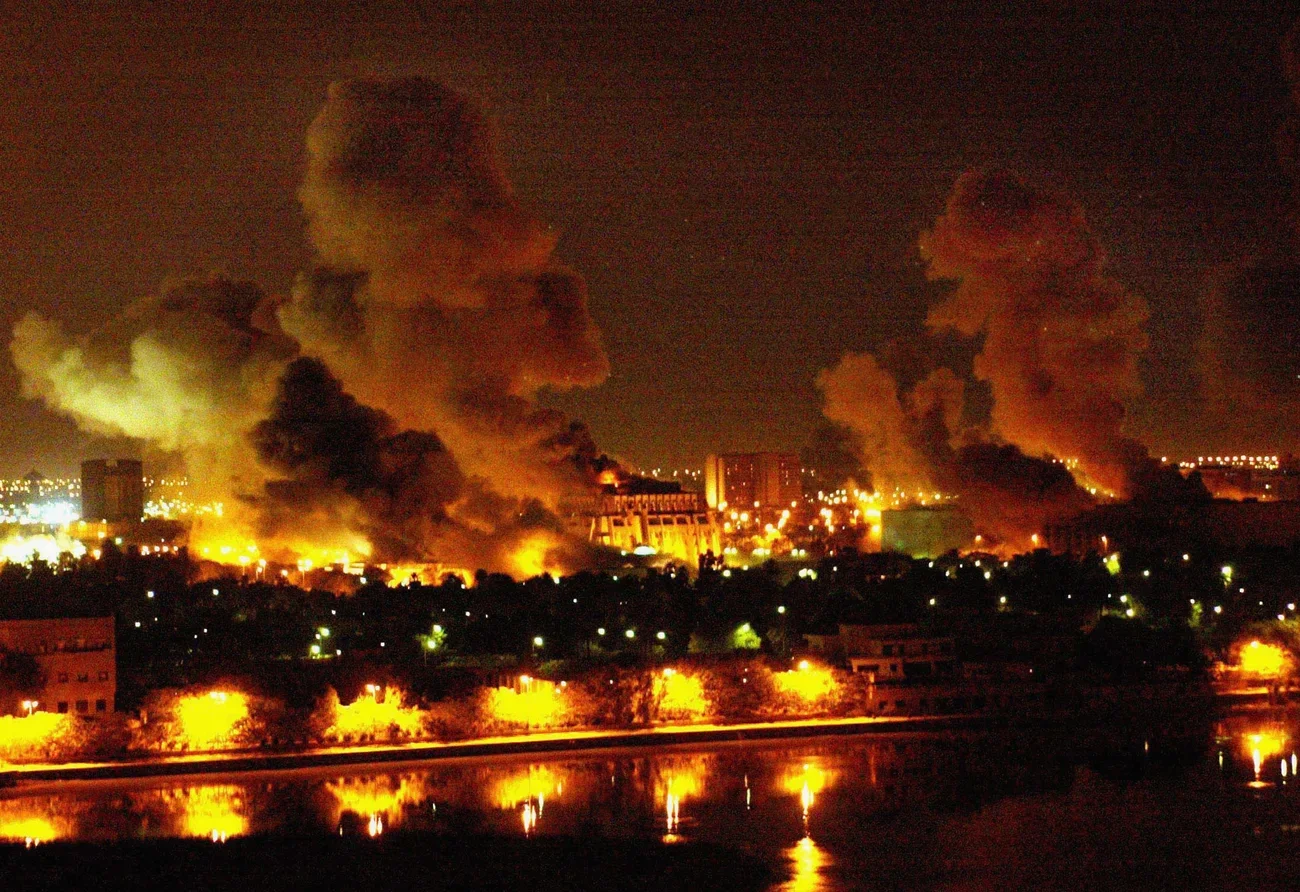
The Iraq War - 2003
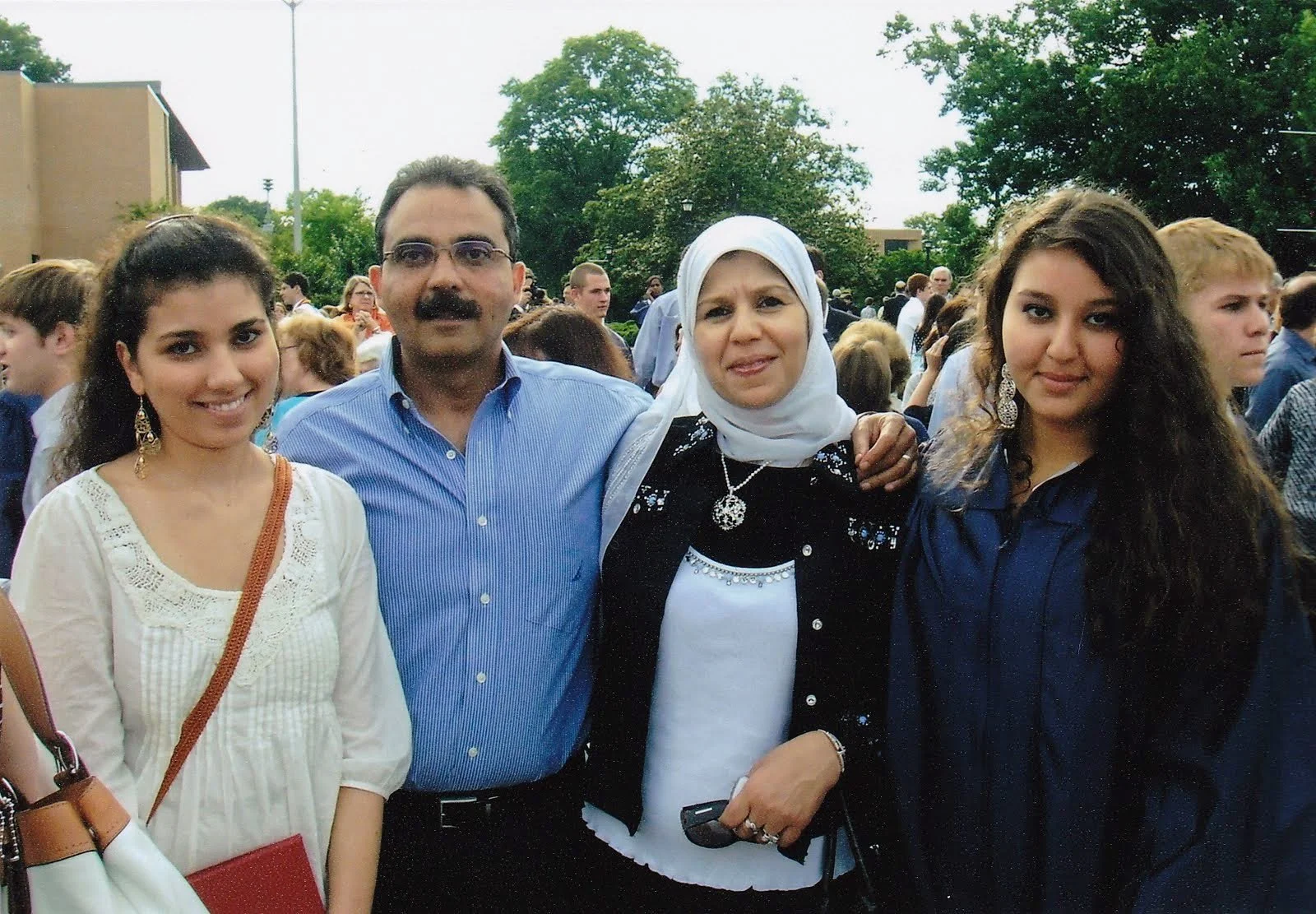
Our family on graduation day - 2009
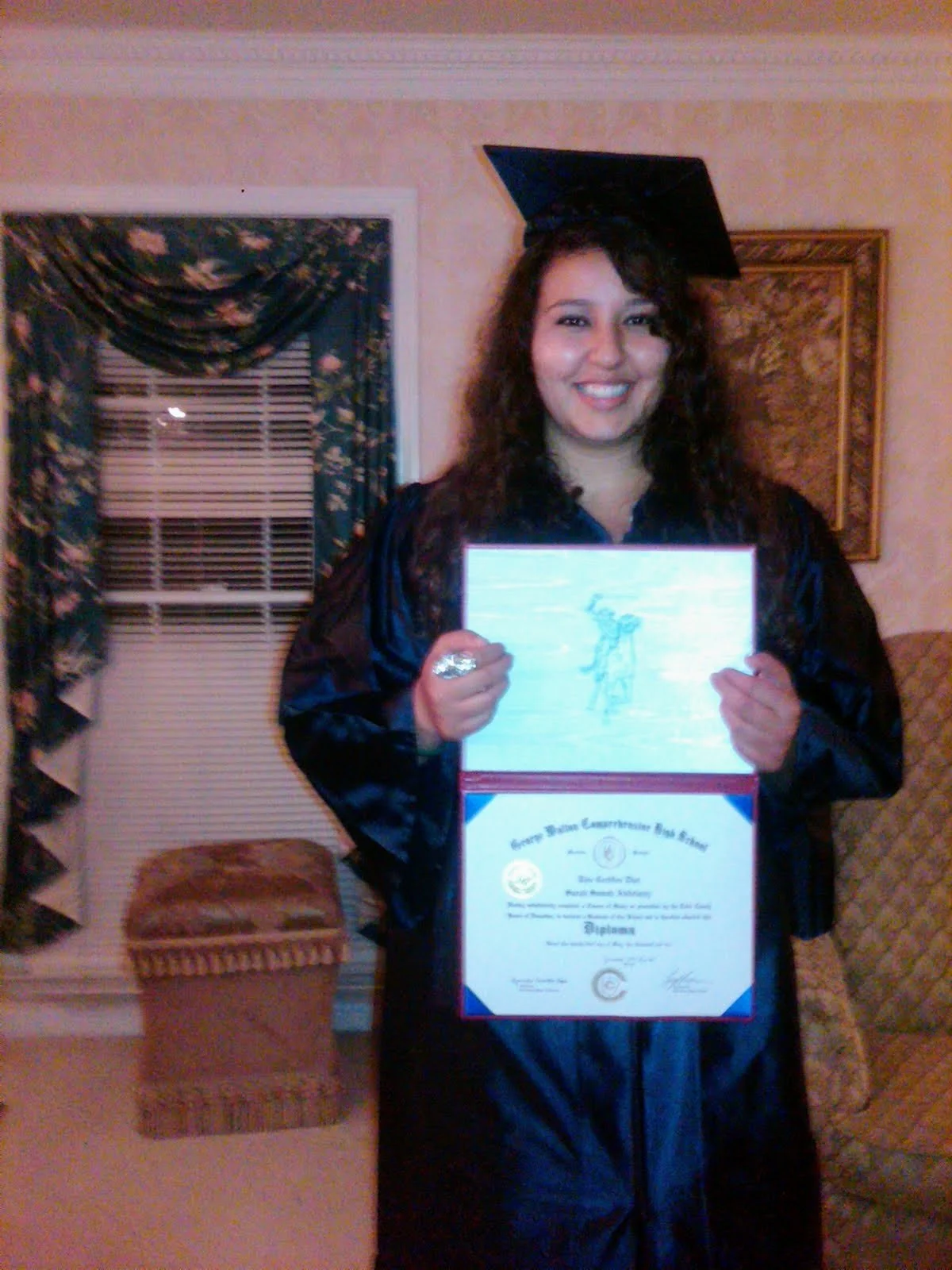
Second daughter, high school graduation - 2009
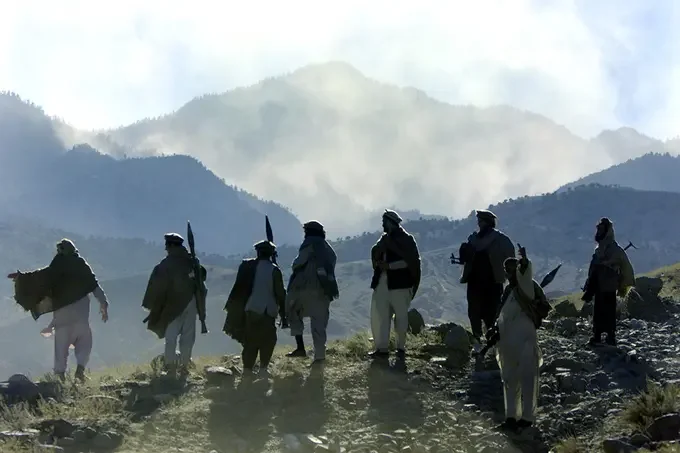
The Afghan War - 2002
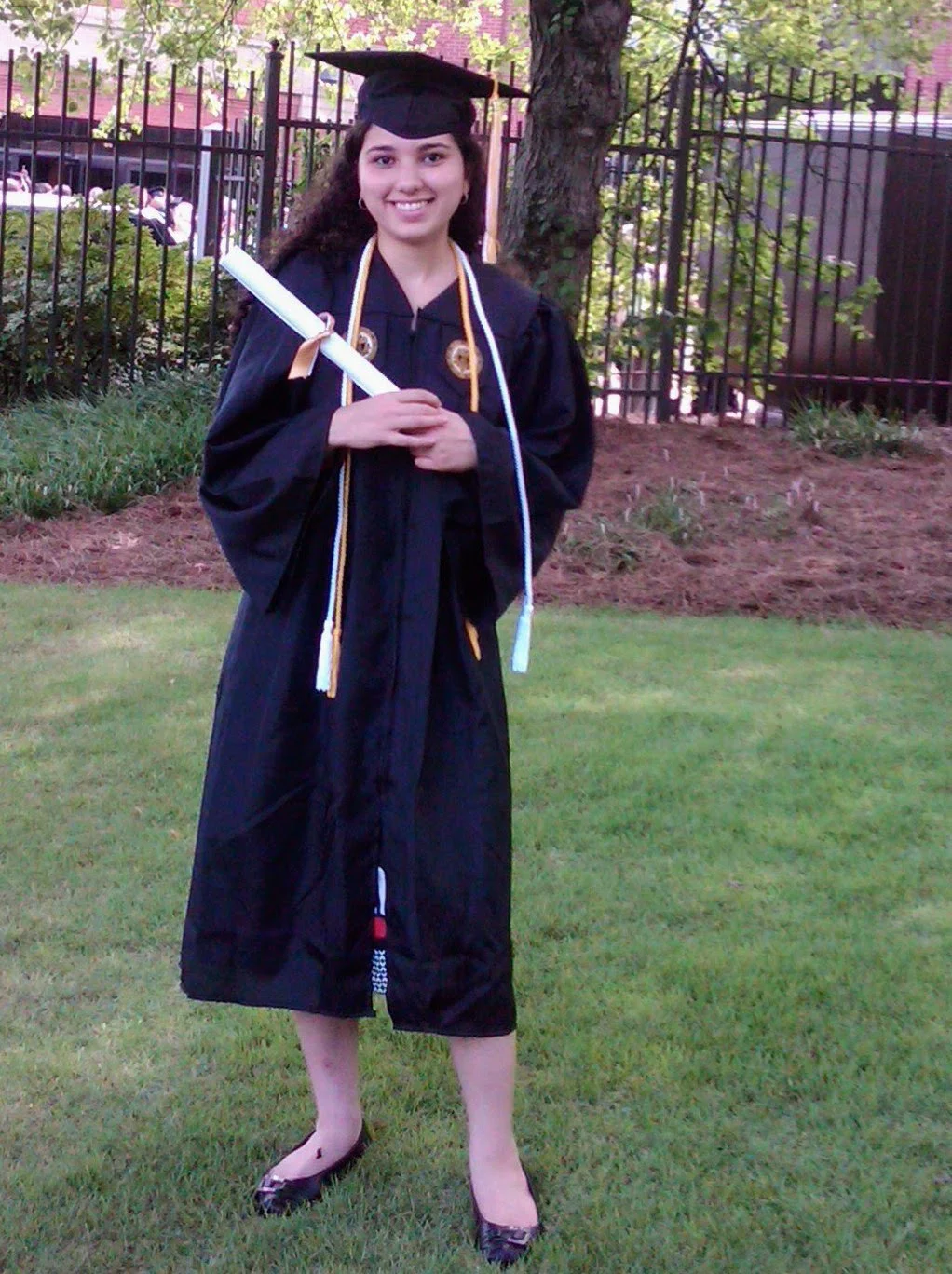
First daughter, GT graduation - 2009
About The Book
A sweeping, intimate memoir of an Egyptian family who crossed oceans, borders, and generations—only to discover that belonging comes with a price no one warns you about.
The Informal History of US: A Diary is a literary memoir that traces three decades of life between Egypt, the United States, and Britain. Told in the voice of a diary, the book follows a young couple—Saber and Samira—and their two daughters as they build a life far from home, only to learn that every gain carries a hidden cost.
The story begins with a one-year contract at Pan Am in 1988 and unfolds against the turning points of modern history: the fall of Pan Am, the Gulf Wars, 9/11, the Arab Spring, and the rise of a polarized America. These events don’t sit outside the family’s life—they carve into it. Each relocation reshapes who they are: parents searching for stability, daughters growing into fierce and different identities, and a marriage stretched across continents and expectations.
Rather than telling immigration as a success story or a tragedy, the book sits in the complexity in between: the longing to belong; the shame of never being enough for either country; the transformation of children who become more American than their parents ever imagined; the cost of ambition; the silence of exile; and the slow realization that “home” might be plural—or might disappear altogether.
It is a memoir about fathers and daughters, migration and return, faith and doubt, and the emotional toll of chasing a dream that promises everything but explains nothing.
The reason I wrote “The Informal History of US: A Diary”
About the Author — Sameh Abdelaziz
Sameh Abdelaziz was born and raised in Alexandria, Egypt, the son of two public school teachers. In 1988, he moved to New York with his young wife and their 8-month-old daughter to fulfill a one-year programming contract with Pan Am — a decision that became the beginning of a four-decade journey through America, Britain, and back again.
Over the next 35 years, Sameh built a career inside the global airline and travel industry — working across Pan Am, British Airways, American Airlines, United Airlines, and Delta Airlines — helping shape the technology that moves millions of people around the world.
But behind the professional milestones was another story: a family caught between continents, identities, and generations, and a country that changed in ways both quiet and seismic.
Now retired and living again in his hometown of Alexandria, Sameh writes full-time, reflecting on the emotional cost and unexpected gifts of a life lived between cultures. His work explores immigration, family, identity, and the quiet price paid by those who cross borders in search of a home that might never fully exist.
Today, he has returned to the city that shaped him — with the clarity of distance, the tenderness of memory, and a desire to give language to stories often left unspoken.
Sameh writes to understand where home begins — and why it so often ends elsewhere.
Follow along as Sameh brings his memoir into the world — one chapter, one question, one conversation at a time.